Thirty chest compressions. Two breaths. Repeat, until help arrives.
Those simple instructions can mean the difference between life and death. Yet in the critical moments when someone collapses from cardiac arrest, most bystanders stand frozen, paralyzed by the fear of doing something wrong. They worry about pressing too hard, breathing incorrectly, or making the situation worse. Meanwhile, precious seconds slip away, and with each passing minute, survival odds plummet by roughly ten percent.
Here’s the truth that nobody tells you: imperfect CPR is infinitely better than perfect hesitation.
This guide will walk you through the basics of adult CPR and AED use, so you understand what happens in a proper certification course. You’ll learn what cardiac arrest looks like, the fundamentals of chest compressions, and why hands-on training with Community EMTP makes all the difference when seconds count.
Spotting Cardiac Arrest and Acting Fast
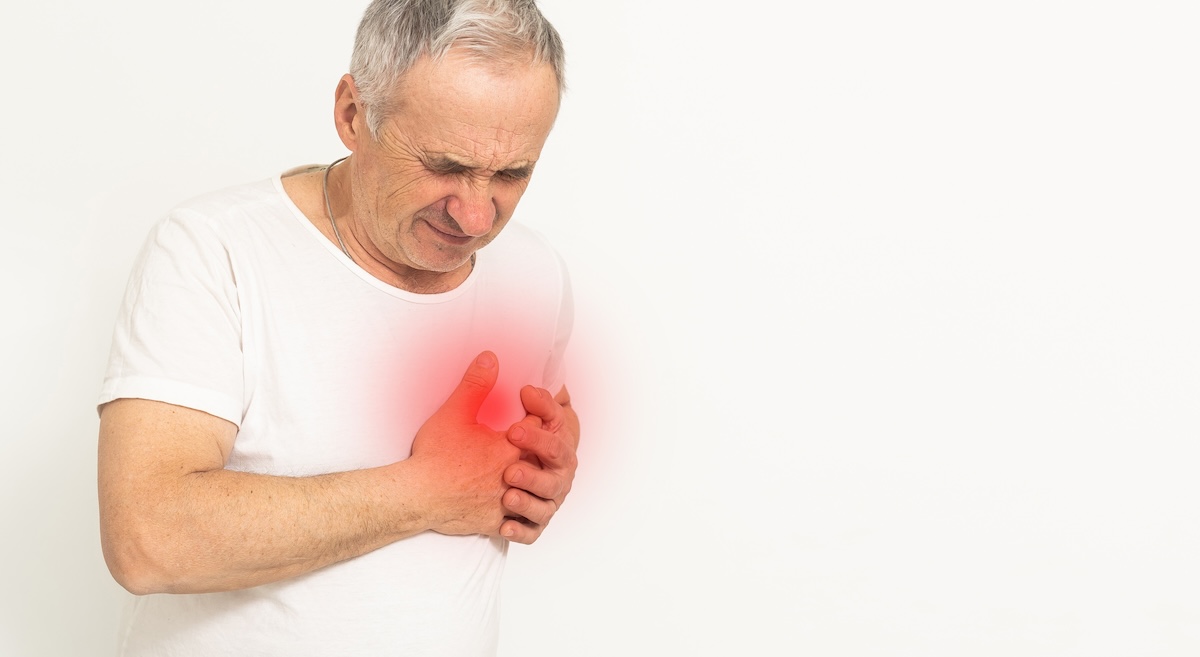
The scene unfolds faster than most people expect. One moment, someone is perfectly fine. Next, they collapse without warning. Their eyes may remain open, but they’re utterly unresponsive. Their chest moves in irregular gasps, or doesn’t move at all.
This is what cardiac arrest actually looks like, and you have seconds to act.
First, check responsiveness: tap the person’s shoulder firmly and shout, “Are you okay?” No response? Check for normal breathing. Those occasional gasps, called agonal breathing, aren’t real breaths.
Here’s what you need to do. First, call 911, and put your phone on speaker. This will allow you to keep your hands free for CPR or AED assistance while also being able to tell the operator the situation. The operator will be able to walk you through what you need to do until help arrives. If there are other people around, make eye contact with someone and tell that person to try to find a defibrillator. This device is usually found in larger businesses, gyms, or schools, and can be an important tool in administering life-saving help until the paramedics arrive.
Every sixty seconds without CPR or defibrillation drops survival odds by approximately ten percent. Speed matters more than perfection, which is exactly why proper training builds the muscle memory you need to act without hesitation.
The Compression Essentials
Before you begin proper compression, you will need to have the proper technique. Here are the steps you should follow to perform compression reps correctly.:
- Position yourself at the victim’s side.
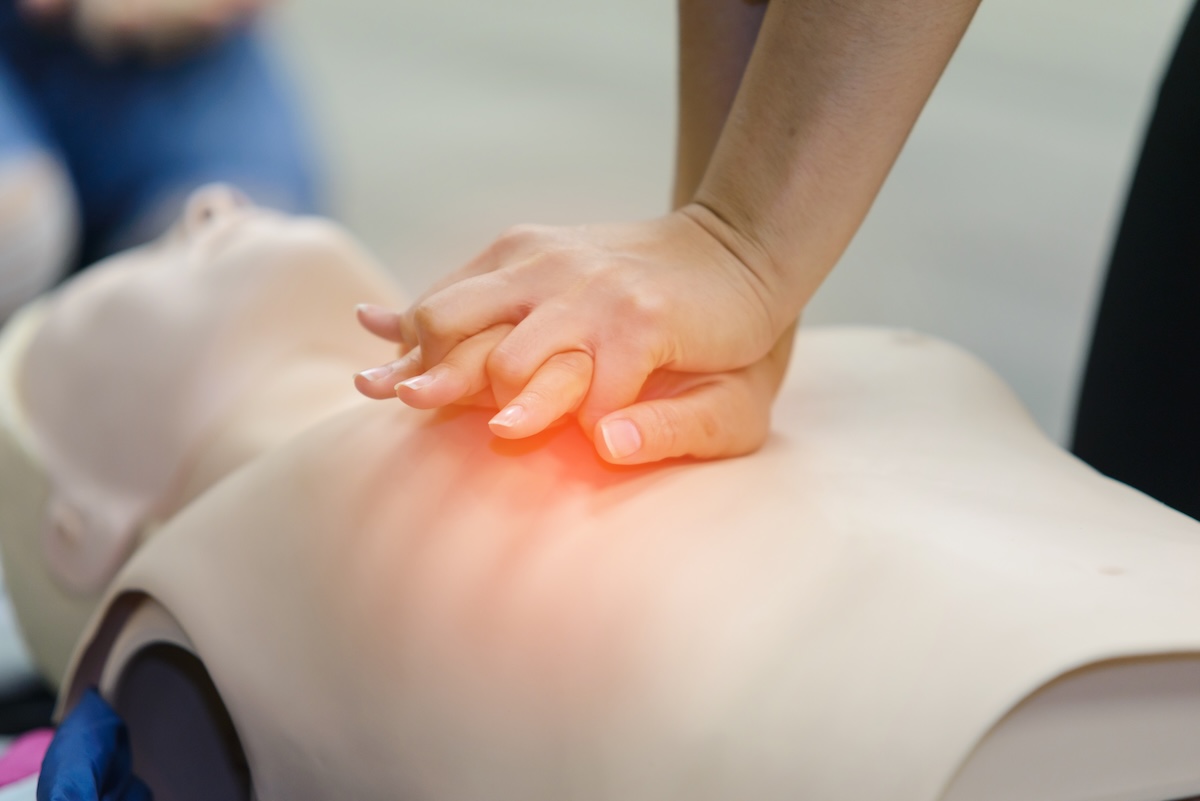
- Place the heel of one hand in the center of the chest.
- Stack your other hand on top, interlacing your fingers.
- Lock your elbows completely straight.
You’re aiming for roughly two inches of depth on an adult, which feels surprisingly forceful if you’ve never done it before. The rhythm matters as much as the depth: 100 to 120 compressions per minute. Here’s the trick everyone remembers: mentally hum “Stayin’ Alive” by the Bee Gees. That iconic disco beat sits at exactly 103 beats per minute.
If you’re trained and comfortable adding rescue breaths, the ratio is 30 compressions to 2 breaths. But here’s what matters most: if you’re uncomfortable with rescue breaths, hands-only CPR produces outcomes nearly identical to traditional CPR in the first several minutes of cardiac arrest.
The challenge? Getting the depth right, maintaining the pace without interruption, and knowing when to switch techniques based on the victim’s response. These are skills that require hands-on practice with professional equipment and real-time feedback, something you can’t get from an article.
AED Basics You Need to Know
The automated external defibrillator is designed specifically for panicked, untrained users, which means it will literally tell you exactly what to do.
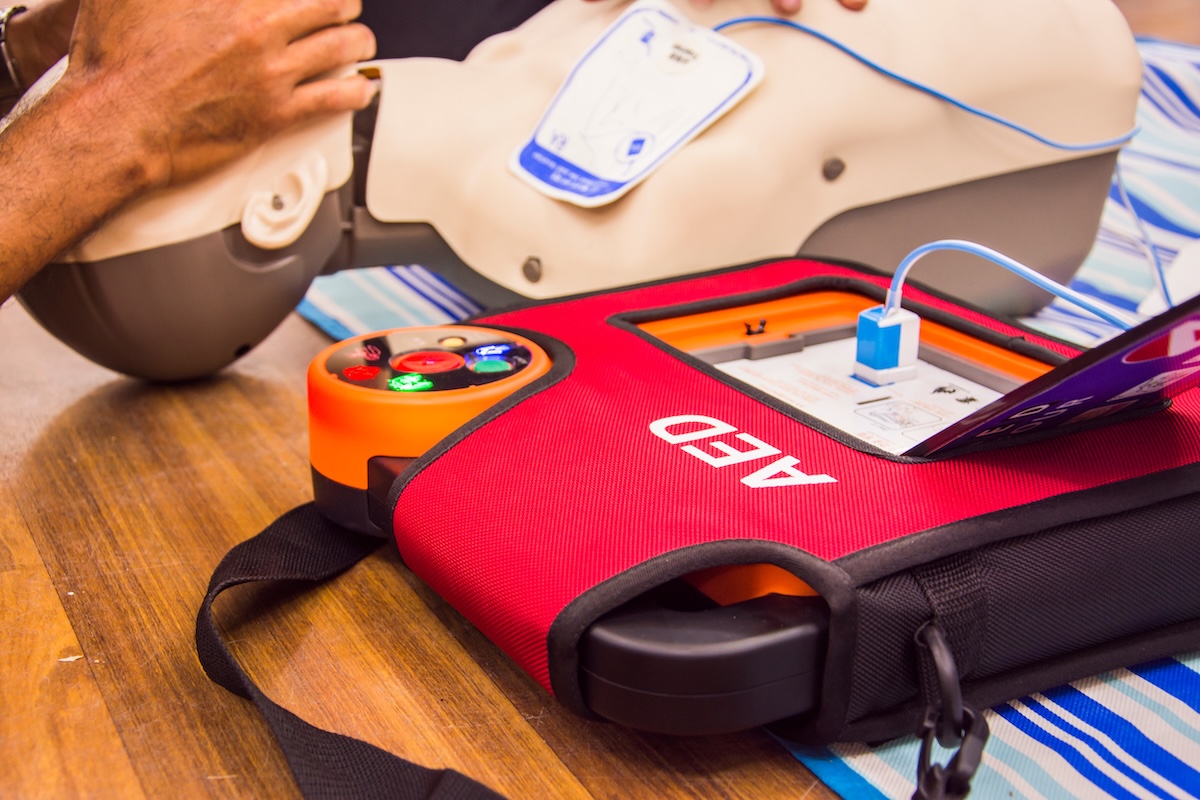
When the AED arrives, continue compressions until you’re ready to attach it. Power it on, and it begins speaking instructions. You’ll find two electrode pads with clear diagrams showing placement: one on the upper right chest, the other on the lower left side.
Here’s where people worry unnecessarily: “What if I shock someone who doesn’t need it?” The AED analyzes the heart’s electrical rhythm and only charges if it detects a shockable pattern. It will not deliver electricity to someone with a normal heartbeat.
However, pad placement, recognizing when the device is malfunctioning, and coordinating AED use with ongoing compressions requires practice. In a Community EMTP certification course, you’ll work through multiple scenarios until these steps become automatic.
The Most Common Mistakes
Watch any CPR attempt by an untrained rescuer, and you’ll likely see the same errors repeated.
Compressions too shallow. People press down hesitantly, afraid of hurting someone. The reality? Ribs may crack during effective CPR on an adult, and that’s acceptable. A broken rib heals. Permanent brain damage from oxygen deprivation doesn’t.
Excessive pausing. Rescuers stop compressions to check for breathing or because their arms get tired. Each interruption allows blood pressure to drop to zero. Proper training teaches you how to switch with a partner in under five seconds without losing rhythm.
Forceful rescue breaths. Anxious rescuers often blow too hard, forcing air into the stomach instead of the lungs. The correct technique requires practice with feedback.
Reading about these mistakes is one thing. Learning to recognize and correct them in real-time, on a professional manikin that measures your compression depth and pace? That’s what certification provides.
Moving Forward with Confidence
You now understand the basics of what happens during cardiac arrest and the general principles behind CPR and AED use. But understanding principles and executing them under pressure are entirely different challenges.
Adult CPR certification through Community EMTP in Cary, NC, transforms these written instructions into physical competence. You’ll practice on professional manikins that provide real-time feedback, work through realistic scenarios that build decision-making skills under stress, and gain the confidence that comes from hands-on repetition under expert instruction.
When certification day comes, you won’t just walk away with a card for your wallet. You’ll carry the knowledge that if someone collapses in front of you at a restaurant, work, or in your own home, you won’t freeze. You’ll act. You’ll compress. You’ll potentially save a life.
Because thirty compressions and two breaths, repeated until help arrives, really is that simple. And that’s powerful.
When you are ready to get crucial hands-on training, reserve your adult CPR seat this month at Community EMTP and join the growing network of Cary residents prepared to respond when seconds count.