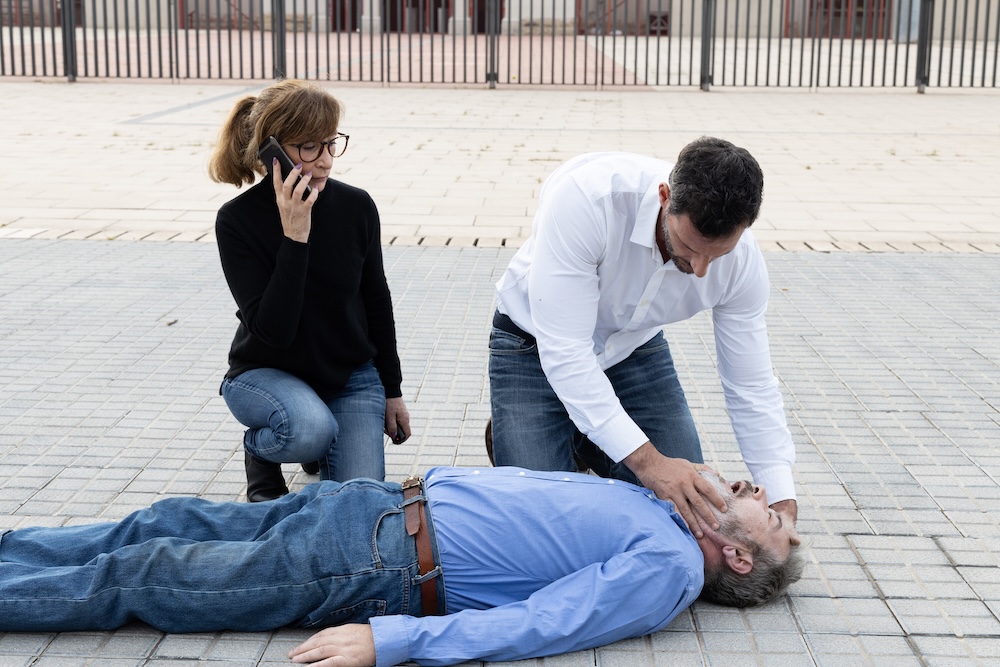
Picture this: you’re at Harris Teeter when someone suddenly collapses next to you. Do you know exactly what to do?
Most people would say, “Call 911.” That’s the correct first step—but what happens while you’re waiting for paramedics to arrive? In cardiac emergencies, just a few minutes can mean the difference between life and death. CPR is the logical next step, but could you perform it confidently?
If the answer is no, you’re in the right place.
Getting CPR certified starts with understanding which course you need, choosing a legitimate training provider, and knowing what to expect before you ever step into a classroom. The good news is that earning CPR certification in Cary, NC, is more straightforward than many first-timers expect.
This guide walks you through the process step by step—from selecting the right class to completing your hands-on skills session and receiving your certification. Whether you’re a parent, an employee meeting a job requirement, or someone who simply wants to be prepared, you’ll know exactly what to expect.
Choosing the Right CPR Course
Not all CPR certifications are created equal. Choosing the wrong course can mean having to repeat training later. Here’s how to select the correct option based on your needs.
CPR/AED for the Community (American Red Cross)
For most people, American Red Cross CPR/AED training is the appropriate choice. These courses are designed for parents, teachers, coaches, childcare providers, retail employees, and anyone who does not work in a healthcare setting.
Training covers:
- Adult, child, and infant CPR
- Use of an automated external defibrillator (AED)
- Basic emergency response skills
If your employer requires “CPR certification” without specifying a healthcare credential, this is typically the correct pathway.
Healthcare Provider Courses (As Needed)
Healthcare-focused CPR courses, such as those intended for nurses, EMTs, and other medical professionals, are offered on an as-needed basis. These classes are less frequent and are typically scheduled when there is a specific demand from healthcare organizations or clinical staff.
If you are unsure whether you need a healthcare-level course, it’s best to confirm your employer’s requirements before registering.
How to Sign Up for CPR Classes in Cary
Community EMTP offers American Red Cross–certified CPR training at its facility located at 107 Medcon Court in Cary, NC. Classes are scheduled throughout the month, with flexible options to fit busy personal and professional schedules.

The Most Common Training Format: Blended Learning
The American Red Cross blended learning format is the most common and preferred pathway for CPR certification.
This option combines:
- Online learning, completed at your own pace (usually one to two hours)
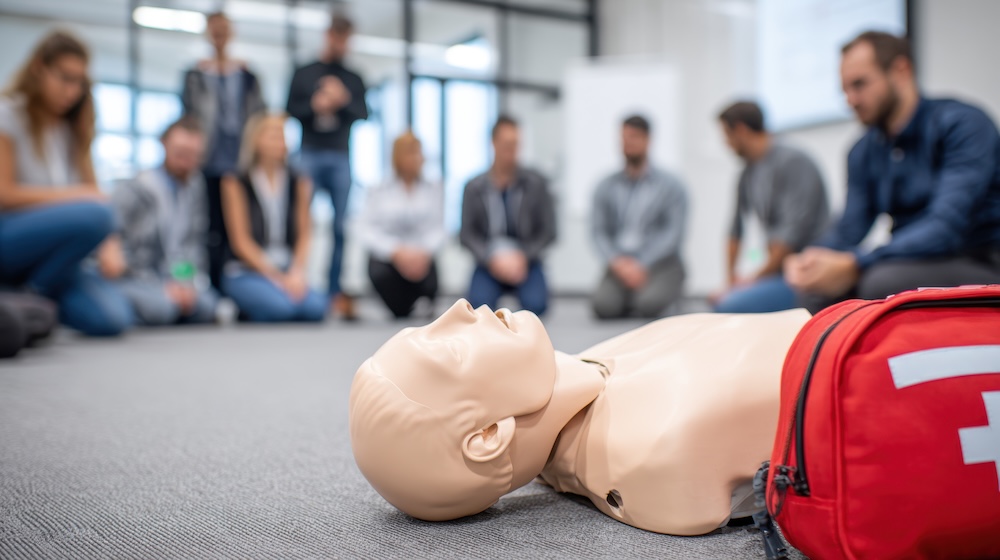
- In-person skills practice, where you demonstrate CPR compressions, rescue breathing, and AED use under instructor guidance
The online portion allows participants to absorb the material comfortably, while the in-person session focuses on building real-world confidence.
“The Red Cross online curriculum is very user-friendly and easy to follow,” one instructor notes. “Once participants arrive for the hands-on session, they’re already familiar with the material, which makes skill practice much more effective.”
In-Person Classes (As Needed)
Some participants or organizations may prefer a fully in-person class. These sessions are offered as needed and provide the entire curriculum in a single visit.
What to Expect During Your Skills Session
Plan to arrive at 107 Medcon Court wearing comfortable clothing that allows you to kneel and move freely. CPR training is more physical than many people expect. Bringing a water bottle is recommended.
During the in-person portion, certified instructors guide you through:
- Proper hand placement and compression depth
- Correct compression rate
- Rescue breathing techniques
- AED operation
“Many people worry about compressions—especially pushing hard enough,” an instructor explains. “There’s also fear of causing injury, which can make people hesitate.”
Instructors address these concerns directly. In real cardiac arrest situations, broken ribs are a known and acceptable risk. Without CPR, survival is unlikely. Hands-on practice helps remove hesitation and builds confidence.
What Happens After You Complete the Course?
After successfully completing both the online and in-person portions, you’ll receive your American Red Cross digital certification card via email. This card includes verification details that employers can use to confirm your credentials.
Most CPR certifications are valid for two years, though some workplaces may require refresher training sooner.
Frequently Asked Questions
Is CPR certification expensive?
No. CPR courses are generally affordable and require only a one-time payment. In many cases, costs may be covered or reimbursed by an employer.
Other options may include:
- Employer-paid training
- Group or on-site classes for workplaces or organizations
- Possible use of HSA funds, depending on your plan
Are training manikins required?
Yes. Any legitimate CPR course includes hands-on practice using training manikins. Many modern manikins provide real-time feedback on compression depth and rate.
“Practicing on manikins builds muscle memory,” a Community EMTP instructor explains. “That preparation makes it much easier to act confidently in a real emergency.”
Should parents take a CPR/AED course?
Absolutely. For parents, especially those with infants or young children, CPR training provides critical peace of mind. Courses include hands-on practice with infant and child manikins in a supportive learning environment.
“For parents, the thought of performing CPR on their own child is overwhelming,” an instructor shares. “Our goal is to let them practice in a safe setting so they understand what to do if the unthinkable happens.”
Your Next Step
Visit communityemtp.org to view current American Red Cross CPR class options and register.
Whether you’re meeting a job requirement, learning CPR as a parent, or simply preparing yourself to help in an emergency, taking that first class is what turns uncertainty into action.
The person who collapses at Harris Teeter, at a school event, or in your own home may depend on what you choose to do next.