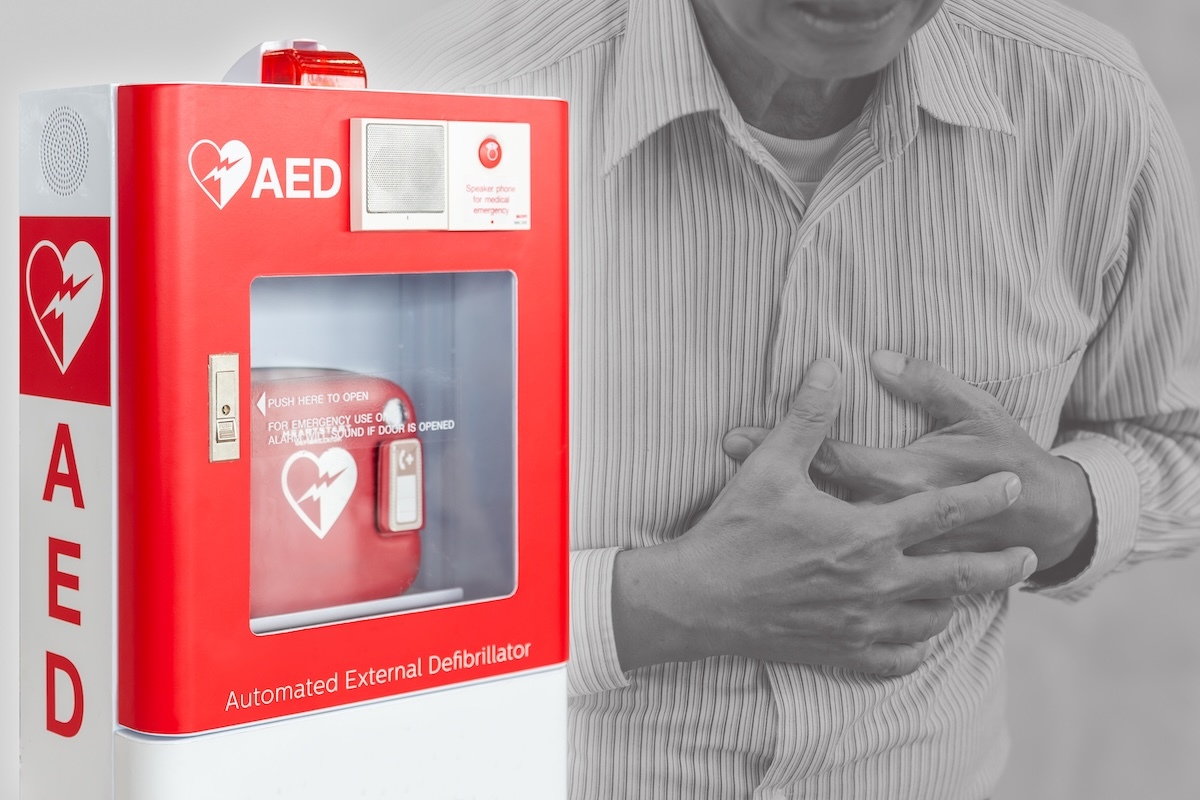
Flip the lid, follow the voice. That’s 80% of success when using an automated external defibrillator. Yet thousands of cardiac arrest victims die each year within reach of an AED machine because bystanders fear they’ll make a mistake or cause harm. This anxiety, while understandable, is built on a misconception about how these remarkable devices work.
If you’re in Cary, NC, and have wondered what happens when you actually deploy an AED, you’re not alone. The fear of “hurting someone” prevents many would-be rescuers from taking action. But here’s the truth: AEDs are designed with sophisticated fail-safes that prevent you from accidentally shocking a beating heart.
This article demystifies AED training in Cary, NC, by breaking down what happens when you open that cabinet—from the pads and prompts to the safety mechanisms and shock decisions. Whether you’re seeking a Heartsaver CPR AED Cary certification or simply want to understand the technology before your next training session, you’ll see why hands-on practice transforms understanding into life-saving action.
What’s Inside an AED and What Each Part Does
When you open an AED cabinet, you’ll find a compact package containing three essential components: a battery, electrode pads, and an internal rhythm analyzer.
The battery powers the device and typically lasts two to five years in standby mode. Modern units perform automatic self-checks to ensure sufficient charge for a full rescue sequence, including multiple shocks if needed.
The electrode pads serve double duty. When placed on bare skin, they both read the heart’s electrical activity and deliver the shock if warranted. They come sealed with conductive gel that maintains effectiveness for 18 to 30 months. Once applied to the chest, they transmit real-time cardiac rhythm data to the analyzer.
The internal analyzer is the decision-maker. Using algorithms tested across millions of cardiac events, it identifies shockable rhythms while refusing to charge for non-shockable ones. This removes the burden of diagnosis from the rescuer.
You’ll also hear voice prompts the moment you power on the device. These step-by-step instructions tell you when to stand clear, when to resume CPR, and when it’s safe to touch the patient. Many units include a metronome feature during CPR intervals—those steady beats guide you to the optimal compression rate.
Of course, understanding components is different from confidently deploying them under pressure. Cary, NC AED certification courses give you hands-on experience with actual units, building the muscle memory that matters when seconds count.
When to Attach and When Not To
AED training in Cary, NC, emphasizes one critical decision point: the device is indicated only when someone is unresponsive and not breathing normally. Gasping or agonal breathing counts as “not breathing normally.”
Before placing pads, quickly dry the chest. Water conducts electricity in unwanted directions and can reduce the effectiveness. If the person collapsed in the rain or near a pool, move them to dry ground and wipe the chest area.
Thick chest hair can prevent pad adhesion. In certified courses, instructors demonstrate the quick-shave technique using the disposable razor included in many AED kits—a detail you’ll practice during training.
When not to attach? If the person is conscious, breathing, or only fainted. AEDs won’t charge in these scenarios, but you’ve delayed other interventions. The rule: unresponsive + no normal breathing = attach pads immediately.
Shock vs. No-Shock: What the Device Is “Seeing”
Here’s the reassuring science behind that “analyzing rhythm” pause: the AED is looking at the electrical pattern of the heart. Ventricular fibrillation (VFib) looks like chaotic static—individual muscle fibers quivering instead of contracting in unison. Ventricular tachycardia (VTach) appears as rapid, disorganized beats that fail to pump blood.
Only these shockable rhythms trigger the charge sequence. If the heart has stopped entirely or shows organized electrical activity without a pulse, the AED will announce “no shock advised” and prompt you to continue CPR.
This is why you cannot “accidentally shock” someone whose heart is beating normally. The waveforms are unmistakable to the analyzer.
When a shock is advised, you’ll hear: “Stand clear. Do not touch the patient.” The AED delivers a controlled jolt designed to depolarize the entire heart muscle simultaneously, giving the natural pacemaker a chance to reset. Success rates climb dramatically when this shock occurs within the first three to five minutes of collapse.
Knowing what happens intellectually and executing it smoothly during an emergency are two different things. Heartsaver CPR AED Cary courses integrate scenario-based drills that prepare you for real-world pressure.
Special Situations You’ll Practice in Training
Child and infant pads deliver reduced energy levels. Pediatric pads are preferred for children under eight years or 55 pounds, but if only adult pads are available, instructors teach you the proper adaptation protocol.
Water requires moving the victim to a dry surface. Your training will cover the exact technique for safe, rapid repositioning.
Implanted devices like pacemakers appear as a hard lump under the skin, usually below the collarbone. Proper pad placement around these devices is demonstrated during certification courses.
Medication patches should be wiped off if they’re directly under a pad placement site. Instructors show you how to identify and remove them quickly without delaying shock delivery.
These special situations aren’t rare; they’re why hands-on AED and CPR training in Cary, NC, is essential. Reading about them and practicing them under an instructor’s guidance creates the confidence you need when someone’s life depends on your response.
Take the Next Step with Community EMTP
Understanding the mechanics doesn’t replace hands-on practice. Community EMTP offers certified AED and CPR training in Cary, NC, through both traditional classroom sessions and convenient on-site workplace training.
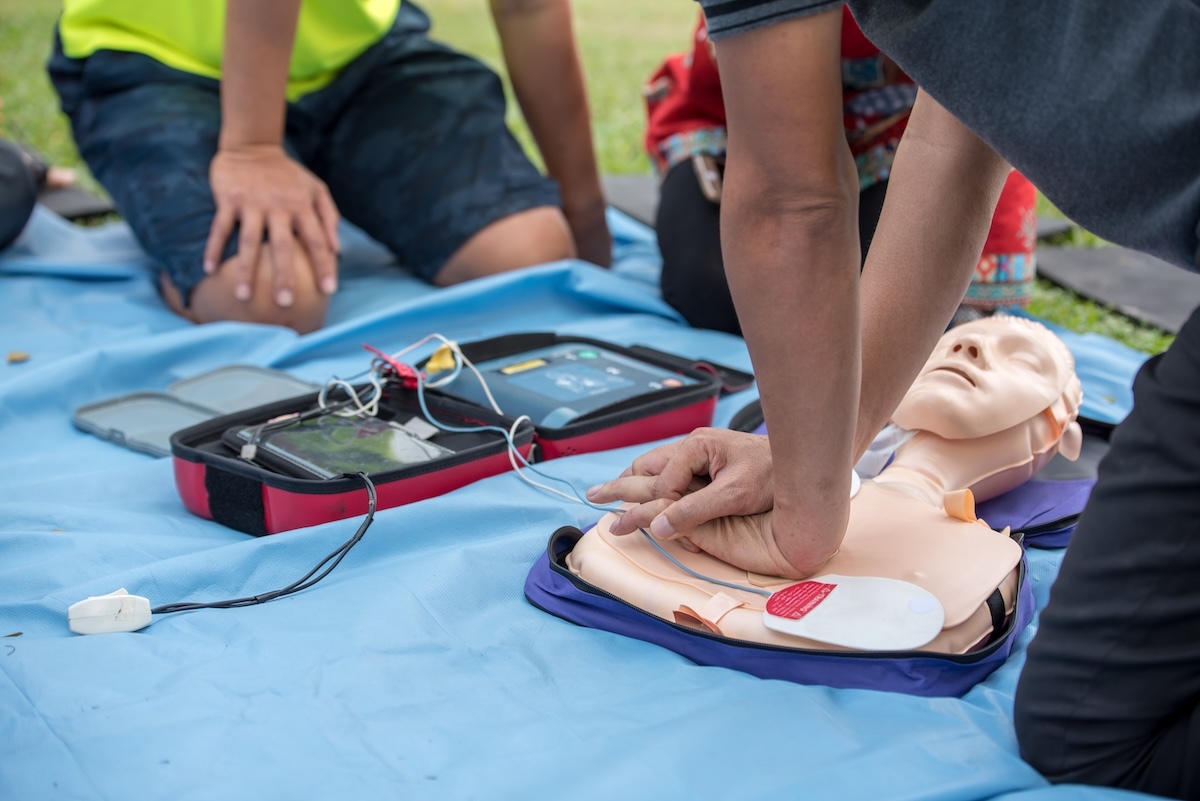
Our instructors use actual AED units during drills, rotating participants through compression and deployment scenarios that build real competence. You’ll practice on manikins, work through special situations, and leave with both American Heart Association certification and the confidence to act.
The voice prompts will guide you. The analyzer will make the shocking decision. But your training determines whether you open that cabinet in the first place – because 80% of success starts with being willing and prepared to try.
Contact Community EMTP today to schedule your Heartsaver CPR AED Cary certification and turn understanding into a life-saving skill.