When you hear that a hurricane is approaching, the first number you probably look for is its category. A Category 1, Category 3, or Category 5 storm can give you an idea of how strong the hurricane’s sustained winds are, but that number does not tell the whole story.
Hurricanes can bring several different hazards, including flooding, storm surge, tornadoes, dangerous winds, and rip currents. In some situations, the greatest danger may come from something other than the hurricane’s strongest winds. Understanding those hazards can help you recognize the risks and make safer decisions before, during, and after a storm.
Hurricane Flooding Can Be a Major Threat
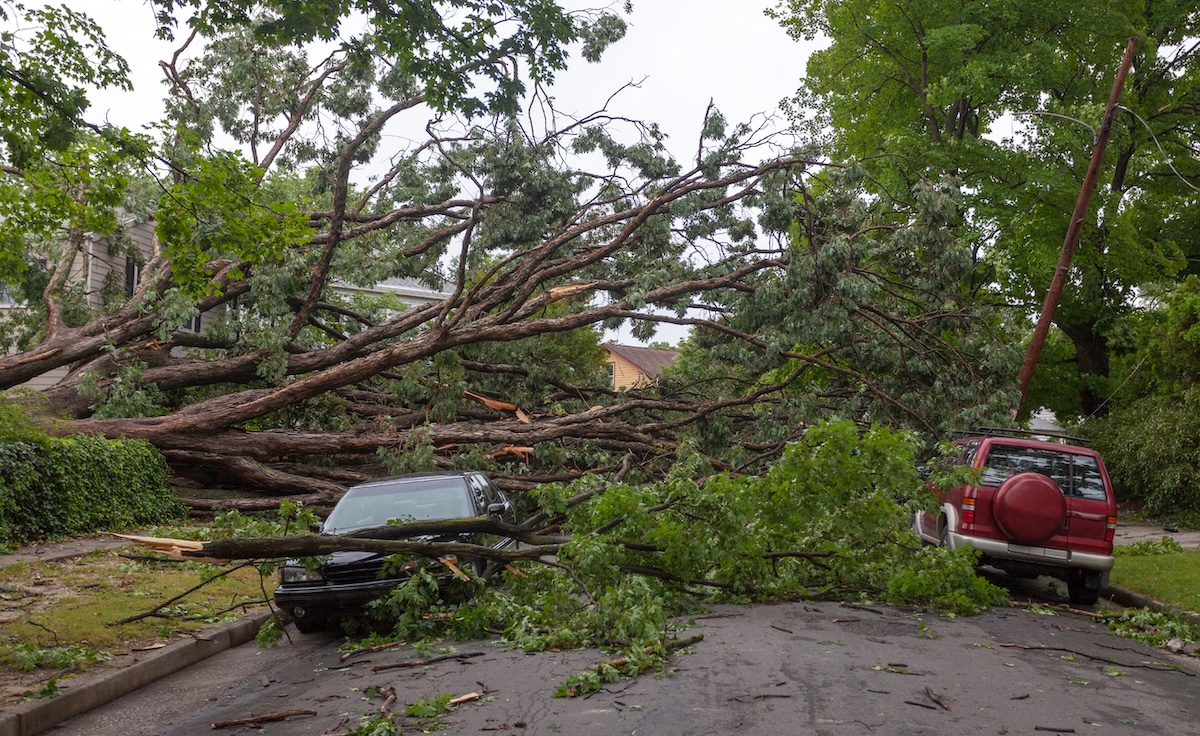
One of the biggest misconceptions about hurricanes is that flooding is primarily a coastal problem. In reality, heavy rainfall from tropical systems can cause dangerous flooding well inland. The National Hurricane Center identifies inland flooding as one of the major hazards associated with tropical cyclones and notes that flooding can remain a threat for days as rivers and streams continue to rise.
Never Drive Through Floodwater
A road that looks passable may not be safe. Moving water can sweep vehicles away, hide damaged roads, or contain debris and contaminants.
If you encounter a flooded roadway, turn around rather than trying to cross it. Floodwater can also contain sewage, chemicals, debris, animals, and other hazards.
Flooding Can Continue After the Rain Stops
The danger does not necessarily disappear when the hurricane moves away. Rivers, creeks, and drainage systems can continue rising after the heaviest rainfall has ended.
Pay attention to local warnings and avoid areas that have been identified as dangerous, even if the weather outside appears calm.
Storm Surge Is More Than a High Tide
For coastal communities, storm surge can be one of the most destructive parts of a hurricane. Storm surge occurs when hurricane winds push ocean water toward the shore, creating an abnormal rise in water levels.
Large waves can accompany storm surge, increasing the potential for damage to buildings, roads, bridges, and other infrastructure. Storm surge can also travel inland through waterways and low-lying areas.
Know Whether You Are in an Evacuation Area
If local officials order an evacuation because of storm surge or other hurricane hazards, take the order seriously. Know your evacuation zone before a storm develops and understand where you are expected to go.
Waiting until water is already rising can make evacuation much more difficult and dangerous.
Hurricanes Can Produce Tornadoes
Hurricanes are not only a wind threat from their main circulation. Tropical systems can also produce tornadoes, sometimes hundreds of miles from where the storm first makes landfall.
The National Hurricane Center lists tornadoes as one of the major hazards associated with tropical cyclones.
Have a Place to Take Shelter
If a tornado warning is issued, move to a small interior room on the lowest level of a sturdy building, away from windows. Put as many walls as possible between you and the outside.
Keep your phone or another way to receive emergency alerts nearby so you can act quickly if conditions change.
A Hurricane’s Category Does Not Tell You Everything
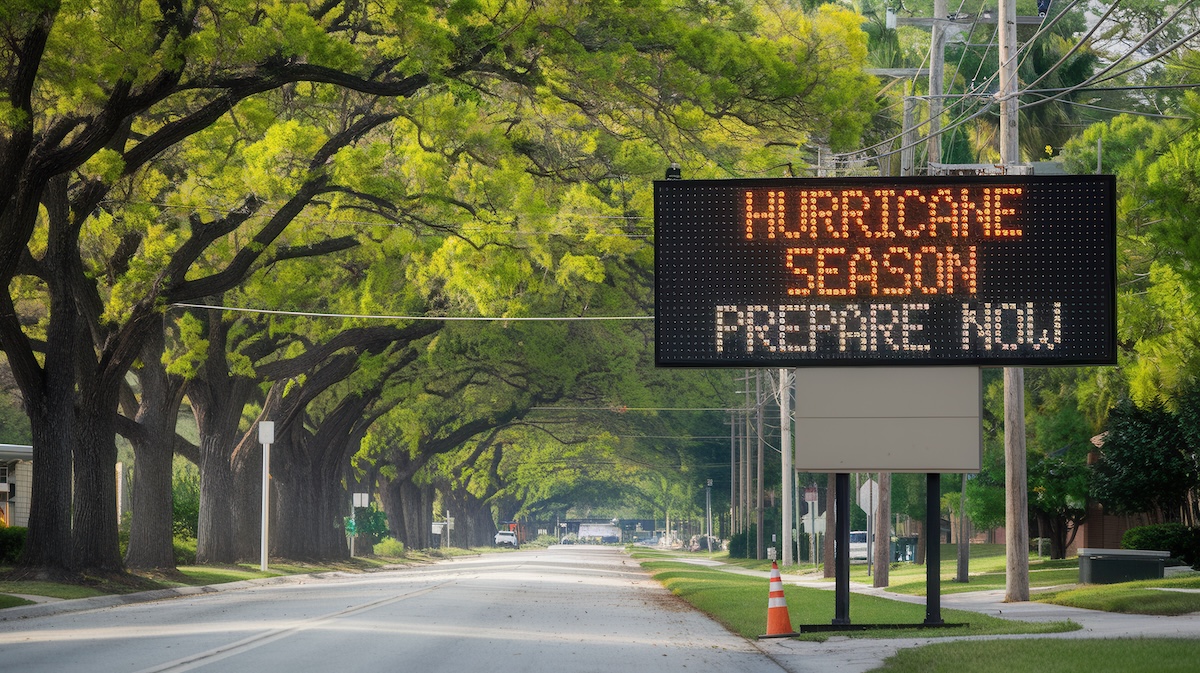
It is easy to assume that a lower-category hurricane automatically means lower risk. But the Saffir-Simpson Hurricane Wind Scale is based only on a hurricane’s maximum sustained wind speed. It does not account for storm surge, rainfall flooding, or tornadoes.
That means a hurricane with lower sustained winds can still create serious or life-threatening conditions through flooding, storm surge, or tornadoes.
Pay Attention to the Entire Forecast
Instead of focusing only on the category, look at the complete forecast. Pay attention to:
● Expected rainfall
● Flood watches and warnings
● Storm surge risks
● Evacuation orders
● Tornado watches and warnings
● Wind advisories
● Road closures
● Local emergency instructions
The more you understand about the specific hazards in your area, the better prepared you can be to respond to them.
The Danger Can Continue After the Storm
Once the winds calm down and the rain stops, it can feel like the emergency is over. But the aftermath can create a new set of hazards.
Floodwater may contain dangerous contaminants, while damaged buildings can have electrical hazards, structural problems, mold, or sewage contamination.
Be Careful With Generators
Never operate a portable generator, charcoal grill, camp stove, or other fuel-burning equipment inside your home, basement, or garage. Carbon monoxide is an invisible, odorless gas that can cause serious illness or death.
Generators should be operated outdoors and at least 20 feet away from windows, doors, and vents.
Watch for Mold
Water damage can quickly lead to mold growth. The CDC recommends cleaning and drying wet areas as quickly as possible, ideally within 24 to 48 hours when possible. People cleaning mold should use appropriate protective equipment, including an N95 respirator, goggles, and gloves.
If a home has significant water damage or structural concerns, professional assistance may be necessary before it is safe to return.
Know the Hazards Before the Hurricane Arrives
A hurricane is more than a number on a weather map. Wind is only one part of the threat. Flooding, storm surge, tornadoes, contaminated water, damaged buildings, and carbon monoxide can all create serious dangers before, during, and after a storm.
Take time before hurricane season to understand which hazards could affect your area and learn what official warnings mean. When severe weather arrives, knowing what to look for can help you make informed decisions and keep yourself and your loved ones safer.
For more information about emergency preparedness, first aid, and staying ready for the unexpected, visit CommunityEMTP.com.