When a hurricane watch is issued, you have about 48 hours before life gets chaotic. That’s the window to act, not to scramble for information across a dozen websites. Forget the last-minute panic. This is your calm, clear plan to prepare your family, your home, and your peace of mind, blending official guidance with on-the-ground realities in NC.
Monitor severe weather and hurricane alerts so your family has enough time to prepare, shelter safely, or evacuate when necessary.
Step 1: Know Your Zone, Plan Your Escape
When evacuation orders arrive, they are issued by zone. Knowing yours is the first step to safety.
Find Your Zone
North Carolina’s coastal counties use a “Know Your Zone” system. Visit the ReadyNC Zone Lookup Tool, enter your address, and memorize your letter (A, B, C, etc.). Zone A is the most vulnerable and evacuates first.
Map Your Routes & Destination
Your goal is to get west, away from the coast. Map at least two different inland routes using the state’s designated blue “Evacuation Route” signs. Decide ahead of time if you’re staying with friends, booking a hotel (do it early!), or using a public shelter as a last resort.
Step 2: Assemble Your Go-Kit
Your go-kit should sustain your family for at least 72 hours. Pack it in a sturdy bin or duffel bag.
Water & Food
One gallon of water per person, per day—plus extra for NC’s heat and humidity. Pack three days of no-cook, non-perishable food like protein bars, nuts, and jerky, and don’t forget a manual can opener.
Power & Communication
A fully charged power bank is non-negotiable for your phone. Pack headlamps for hands-free light and a battery-powered NOAA Weather Radio for alerts when cell service is down.
Essentials
Pack cash (ATMs won’t work), fill your car’s gas tank, and put copies of critical documents (IDs, insurance policies) in a waterproof bag.
Step 3: Secure Your Home
Don’t wait until the last minute. In the week leading up to a storm, trim threatening tree limbs and clear your gutters. A few days out, gather supplies like plywood and sandbags. In the final 24-48 hours, bring all outdoor furniture inside, install storm shutters or board up windows, and turn your fridge to its coldest setting.
Step 4: Plan for Vulnerable Family & Pets
A complete plan covers everyone.
Medications & Medical Needs
Refill prescriptions to ensure you have at least a week’s supply. If you have refrigerated medicine like insulin, prepare a small cooler with gel packs. If you rely on powered medical equipment, contact your utility company to be placed on a priority list and have a battery backup ready.
Don’t Forget Your Pets
Pack a pet-specific kit with food, water, and meds. Keep vaccination records with your documents and pre-identify pet-friendly shelters or hotels, as most public shelters don’t allow them.
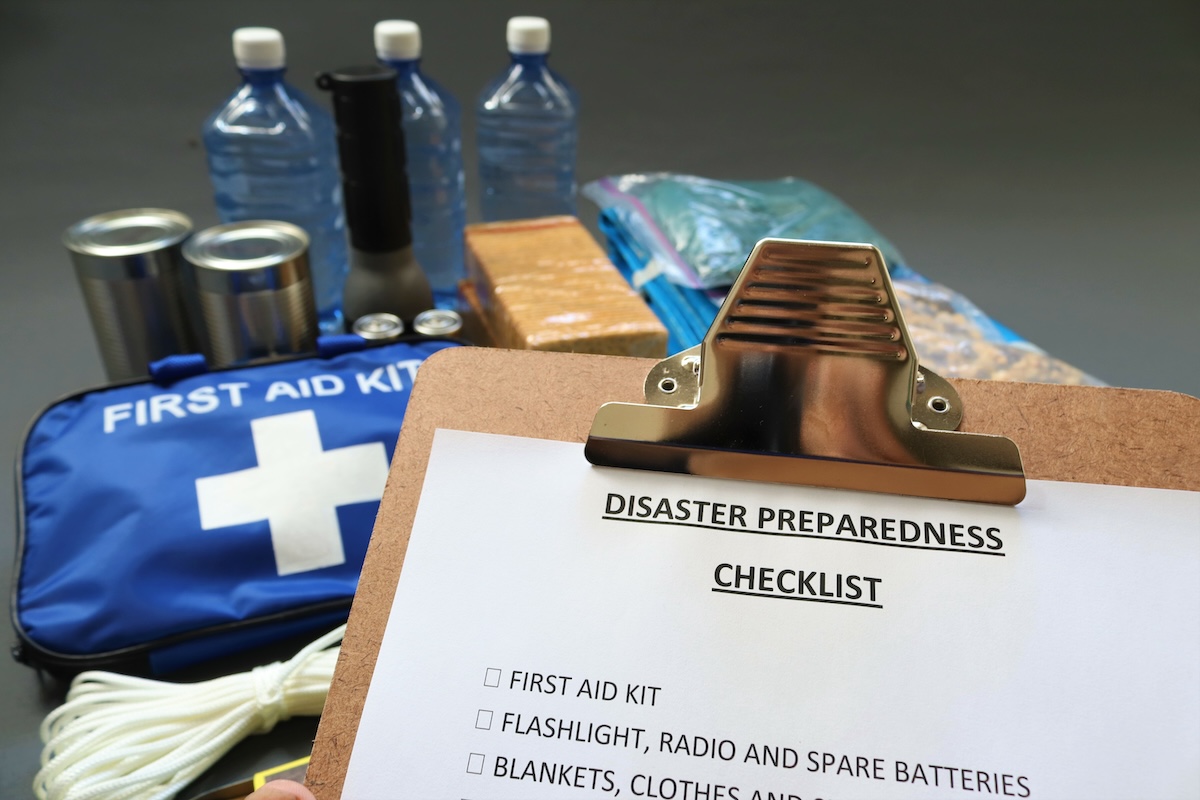 A hurricane emergency kit should include essentials such as water, nonperishable food, first aid supplies, flashlights, batteries, and other necessities.
Step 5: Stay Connected (The Smart Way)
Accurate information is your best defense against rumors.
Enable Official Alerts
The most reliable sources are a NOAA Weather Radio, the ReadyNC App, and Wireless Emergency Alerts (WEA) that come to your phone automatically.
Establish a Check-In Plan
Designate one out-of-state relative as the point of contact for your entire family. This keeps local phone lines free for emergency calls. Rely on official sources like the National Weather Service, not social media chatter.
Stay Informed
Preparation is about taking control. With a clear plan, you can face the storm with confidence, knowing you’ve done everything possible to keep your family safe.
For real-time North Carolina hurricane safety updates and additional preparedness checklists, follow Community EMTP.